
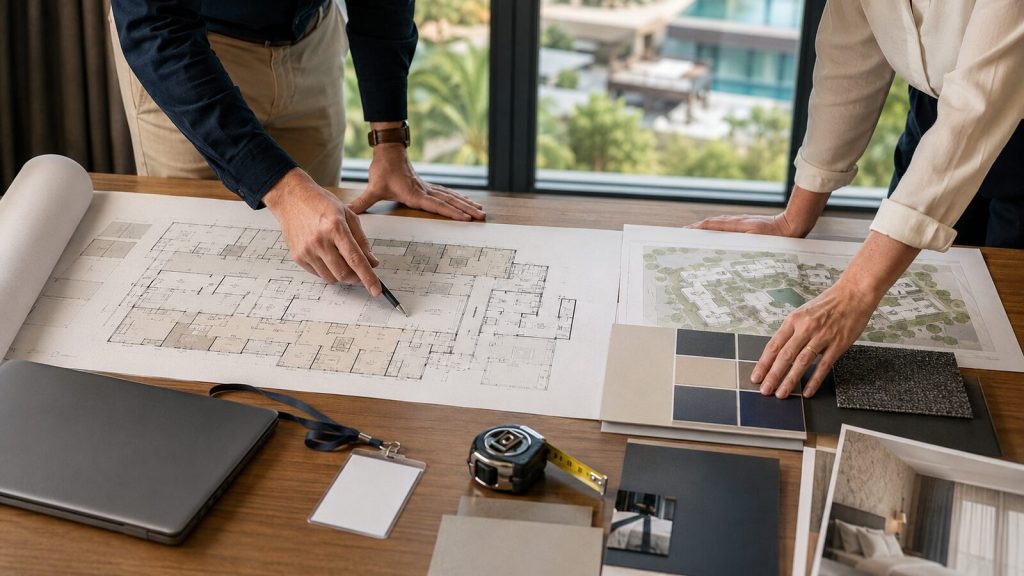
Commercial painting for hotels works best when the repaint is planned around the property’s actual spaces, access limits, operating schedule, and surface conditions. Before choosing colors or setting dates, define which areas are included, when crews can enter them, what must be protected, and who will approve each completed phase. That preparation turns a broad repaint request into a workable project scope.
Hotels and other guest-facing properties can include lobbies, corridors, meeting rooms, offices, exterior surfaces, stairwells, doors, trim, and back-of-house areas. Each zone may have different traffic, visibility, access, and preparation needs. A useful plan treats those differences as part of the project instead of assuming every painted surface can be handled the same way.
Begin With Operating Conditions, Not Color
Color and finish matter, but they should follow the operational plan. Start by identifying when each area is available and what activity normally takes place nearby. Guest circulation, employee access, deliveries, cleaning, security procedures, and scheduled events can all affect the sequence of work.
The property team should document:
- Areas and surfaces included in the repaint.
- Spaces that must remain available during normal operations.
- Approved access hours and entry procedures.
- Furniture, fixtures, flooring, landscaping, and equipment requiring protection.
- Existing damage or repairs that need evaluation.
- The person authorized to answer questions and approve completed areas.
A site review for commercial painting services can help translate those conditions into a clearer scope. Phased or limited-hour work may be possible for some properties, but availability should be confirmed for the specific project rather than assumed.
Build the Scope by Property Zone
Breaking the property into zones makes estimating, scheduling, and review more precise. A lobby may require careful protection around fixed finishes and a plan for maintaining access. Corridors may be divided into manageable sections. Offices or back-of-house rooms may have different finish and timing priorities than highly visible guest areas.
Exterior work introduces another set of variables, including surface condition, elevation, landscaping, access, weather, and areas used by vehicles or pedestrians. These conditions should be inspected before a schedule is promised.
For each zone, identify whether the scope includes walls, ceilings, doors, frames, trim, railings, or other painted surfaces. Also note whether the work calls for a full repaint, a limited refresh, or repair followed by painting. A detailed scope reduces the chance that important surfaces are assumed rather than documented.
Plan Phases, Access, and Drying Time
A hotel repaint does not always need to occur as one uninterrupted project. Dividing the work into approved phases can help the property coordinate access and inspect completed areas before the next section begins.
The sequence should account for surface preparation, application, product instructions, drying or recoat time, cleanup, and reopening the area. A room may be physically painted before it is ready for normal use, so the plan should distinguish between application time and the point when the property can restore regular access.
Phasing also requires clear boundaries. The property team should know which spaces are active work areas, which have been completed, and which remain open. Any special access, security, noise, ventilation, or housekeeping requirements should be discussed during planning and recorded in the scope.
Match Preparation and Protection to the Surface
A clean commercial finish begins with the condition beneath the paint. Scuffs, failed patches, stains, loose coatings, cracks, worn caulk, or damaged surfaces may need attention before repainting. Not every mark requires the same response, which is why existing conditions should be reviewed instead of covered automatically.
Protection should also fit the zone. Floors, furniture, fixtures, signs, equipment, landscaping, and adjacent finishes may require different methods. The written scope should explain what will be moved, covered, masked, or kept outside the work area.
Superior Coat’s documented painting process provides context for how planning, preparation, painting, and final review fit together. Product and finish decisions should be based on the actual substrate, appearance goals, maintenance expectations, and manufacturer instructions—not a universal product claim.
Establish Communication and Handoff Standards
Commercial repainting involves decisions that can affect several people. Assign one primary property contact and establish how changes, access issues, or newly discovered surface conditions will be handled. For a phased project, identify who can approve each area before work moves forward.
The final handoff should compare completed work with the written scope. A walk-through can document remaining touch-ups, confirm cleanup, and distinguish completed items from work that was never included. That is more reliable than relying on informal conversations after the project has begun.
When to Request a Commercial Painting Estimate
Request an estimate when the property can provide a preliminary area list, access requirements, operational constraints, and desired completion window. Exact colors do not always need to be finalized before the first review, but the estimator should understand the scale and intended outcome.
Superior Coat serves businesses across its listed Jacksonville-area service areas. Property-specific availability, scope, and scheduling still require direct review.
Frequently Asked Questions
Can a hotel remain open during painting?
It depends on the spaces involved, property operations, access rules, products, and project size. A site-specific plan may divide work into phases, but continuous operation should not be promised before those conditions are reviewed.
Which hotel areas can be included in a repaint?
Potential areas include lobbies, corridors, meeting spaces, offices, doors, trim, stairwells, back-of-house rooms, and exterior surfaces. The estimate should identify every included surface rather than relying on a general description.
How far in advance should a commercial repaint be planned?
Begin planning once the property knows its target window and major operating constraints. Larger scopes, restricted access, repairs, events, or phased work may require more coordination, so there is no single lead time for every property.
What affects a hotel painting timeline?
Surface condition, total area, repairs, access, protection, number of colors, product instructions, weather for exterior work, and the approved sequence can all affect timing.
Is a completed hotel photo required to plan the project?
No. A site review and accurate property information can support planning. Any marketing image used with this article must be rights-approved and must not be represented as completed Superior Coat work without verified evidence.
Schedule a Free Estimate
Planning a hotel or guest-facing commercial repaint in Jacksonville or Northeast Florida? Schedule a free estimate with Superior Coat Painting Solutions to review the property, scope, access requirements, and next steps.